Never Miss a Guest Enquiry: How AI Helps Hotels Capture and Respond to Leads 24/7
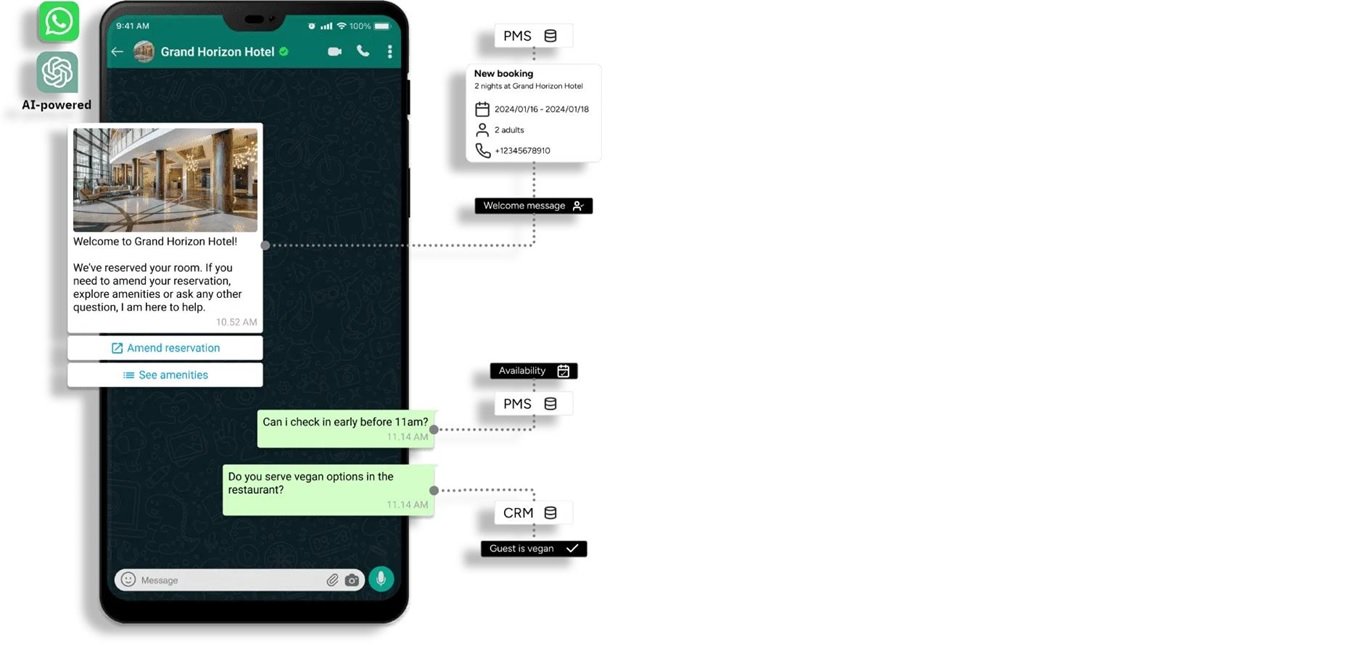
Introduction In the hospitality industry, every guest enquiry can represent a potential booking. A visitor comes to a hotel’s website because they are interested in staying at the property. They may want to know about room availability, pricing, facilities, check-in and check-out timings, parking, dining options, banquet facilities or other services. But there is one major challenge. The guest expects an answer immediately. A hotel team, however, may not always be available to respond immediately. The front desk may be handling check-ins. The reservation team may be speaking with another customer. The sales team may be attending a meeting. The hotel may receive an enquiry late at night when the relevant team is unavailable. The visitor may wait for some time, leave the website and contact another property. This creates a simple but important business problem: The hotel received an enquiry, but the opportunity was not captured. This is where artificial intelligence can provide practical value. Instead of allowing every website visitor to become a missed opportunity, an AI-powered conversational assistant can provide an immediate first response, understand the visitor’s requirement, collect relevant information and help connect the enquiry with the appropriate hotel team. For hospitality businesses, the objective is not to replace the front desk, reservations team or sales staff. The objective is much simpler: Make sure a guest enquiry receives a response even when the human team is busy or unavailable. Livserv AI can help hospitality businesses create this first layer of digital communication and make their websites more responsive to potential guests. The Single Problem: Missed and Delayed Guest Enquiries Imagine a potential guest searching for a hotel for an upcoming weekend. They find a hotel website and have a few questions: “Do you have rooms available?” “What is the tariff?” “Is breakfast included?” “Do you have parking?” “Can I check in early?” “Do you have a banquet hall for 200 people?” The visitor may not immediately make a phone call. Instead, they may look for a chat option on the website. If there is no immediate assistance, the visitor may leave. Even when a contact form is available, the visitor may not want to submit a form and wait several hours for a response. The problem is particularly important because the visitor has already shown interest. They are not simply browsing random information. They may be actively considering a hotel. Therefore, every unanswered or delayed enquiry can represent a missed opportunity for the business. Why Speed Matters in Hotel Enquiries Hospitality customers often compare multiple properties before making a decision. A potential guest may have five hotel websites open at the same time. They may compare: Room pricesLocationAmenitiesReviewsAvailabilityDining optionsEvent facilitiesParkingOffersCustomer service Communication can become another factor in the decision-making process. If Hotel A responds immediately while Hotel B responds several hours later, the visitor may continue communicating with Hotel A. This does not mean that every instant response will result in a booking. However, an immediate response gives the hotel an opportunity to continue the conversation. That is the important difference. Without immediate communication: Visitor → Question → No response → Website exit With AI-assisted communication: Visitor → Question → Immediate response → Requirement captured → Hotel team follow-up The second journey gives the business another opportunity to engage with the potential guest. Why Hotel Staff Cannot Answer Every Enquiry Immediately Hotel employees already manage multiple responsibilities. A front-desk executive may simultaneously handle: Guest check-inGuest check-outRoom requestsPhone callsBilling questionsInternal coordinationWalk-in customers A reservation executive may be handling: Booking requestsCancellation requestsModification requestsGroup enquiriesCorporate bookingsTelephone enquiries A sales executive may be handling: Corporate clientsWedding enquiriesConference enquiriesBanquet bookingsSite visitsFollow-ups Therefore, expecting employees to respond instantly to every website visitor can be difficult. The challenge is not necessarily a lack of staff effort. It is the volume and timing of enquiries. A hotel can have excellent employees and still miss enquiries simply because the right person was unavailable at the right moment. This is where AI can provide support. What if the Enquiry Arrives at Midnight? Consider a simple example. A guest is planning a trip and searches for accommodation at 11:45 PM. They visit a hotel’s website. They want to ask: “Do you have a family room for four people?” The reservation team has already finished its working hours. The guest may have two choices: Wait until the next day.Search for another hotel. The second option is a real possibility. An AI-powered website assistant can provide an immediate first response. For example: Guest: I need a room for two adults and two children. Livserv AI: We’d be happy to help with your enquiry. Please share your preferred check-in date and check-out date, along with your contact number. Our reservation team can assist you with the available options. The conversation has now started. The hotel has not lost the opportunity simply because the reservation team was unavailable at that moment. Livserv AI as the First Point of Guest Communication Livserv AI can act as a digital first point of contact for hospitality websites. When a visitor opens the website chat, the AI assistant can welcome the visitor and help them find relevant information. Instead of simply displaying: “Contact Us” the hotel website can provide an interactive conversation. For example: Welcome! How can we help you today? • Room Enquiry• Banquet & Events• Hotel Facilities• Restaurant• General Enquiry The visitor can select an option or type their question. This makes the website more interactive. More importantly, it gives the hotel an opportunity to understand why the visitor has arrived. From Website Visitor to Qualified Enquiry Not every website visitor is ready to book immediately. Some visitors are still researching. They may ask several questions before deciding. This is where conversational AI can be useful. Suppose a visitor asks: “I am planning a wedding for around 300 guests. Do you have a banquet hall?” Instead of giving a generic response, the AI can guide the conversation. It can ask: What is your preferred event date? Then: Approximately how many guests are