Top AI Tools for Sales Automation in 2026 (Complete Comparison Guide)
Sales teams are under more pressure than ever.
Leads are coming in from multiple channels, but slow responses, manual follow-ups, and inefficient processes are causing missed opportunities.
This is where AI tools for sales automation are transforming the game.
In this guide, you’ll learn:
- What sales automation means
- How AI improves sales processes
- The best AI sales tools in 2026
- How to choose the right platform
What is Sales Automation?
Sales automation is the use of software to automate repetitive sales tasks like lead capture, follow-ups, and data entry.
It helps sales teams focus on closing deals instead of doing manual work.
Why it matters: Faster response times and better efficiency directly improve conversions.
What are AI Tools for Sales Automation?
AI tools for sales automation use artificial intelligence to manage, optimize, and automate sales processes such as lead qualification, customer engagement, and follow-ups.
Difference from traditional tools:
- Traditional tools follow rules
- AI tools learn, adapt, and improve over time
In simple terms: AI tools act like smart sales assistants.
Key Benefits of AI Sales Tools
- Faster Response Times: Engage leads instantly
- Better Lead Qualification: Focus on high-intent prospects
- Increased Conversions: Personalized engagement
- Reduced Manual Work: Automate repetitive tasks
- 24/7 Availability: Never miss a lead
Key insight: Businesses using AI sales tools can increase lead conversion rates significantly.
Top AI Tools for Sales Automation in 2026
1. Livserv.ai
An AI-driven platform for lead generation, customer engagement, and sales automation.
Key Features:
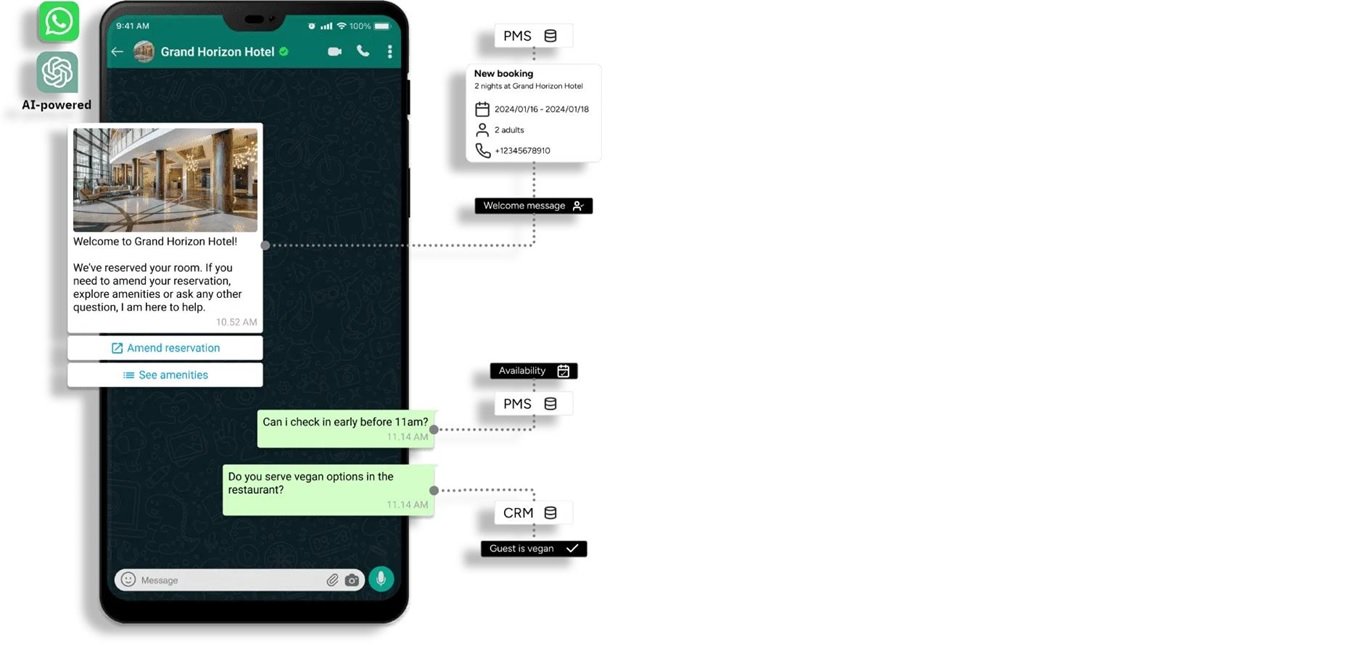
- AI chatbot for website leads
- WhatsApp automation
- Lead qualification workflows
- CRM integration
Best for: Businesses focused on lead generation and automated sales funnels
Pros:
- Easy to deploy
- Strong lead conversion focus
- Cost-effective
Cons:
- Less enterprise-heavy compared to large CRMs
2. HubSpot
A popular all-in-one CRM with strong automation features.
Key Features:
- Email automation
- Pipeline management
- Lead scoring
Best for: Growing businesses
Pros:
- All-in-one platform
- Strong integrations
Cons:
- Expensive at scale
3. Salesforce
An enterprise-level CRM with advanced AI capabilities.
Key Features:
- AI-powered insights
- Advanced analytics
- Custom workflows
Best for: Large enterprises
Pros:
- Highly customizable
- Powerful analytics
Cons:
- Complex setup
- High cost
4. Drift
A conversational marketing platform focused on sales.
Key Features:
- Chat-based lead capture
- Meeting scheduling
- Real-time engagement
Best for: B2B sales teams
Pros:
- High conversion focus
- Easy to use
Cons:
- Limited AI depth
5. Intercom
A messaging platform with automation capabilities.
Key Features:
- Chat automation
- Customer messaging
- Integration ecosystem
Best for: SaaS companies
Pros:
- Great UI
- Flexible automation
Cons:
- Pricing can scale quickly
6. Zoho CRM
An affordable CRM with AI capabilities.
Key Features:
- Lead management
- AI assistant
- Workflow automation
Best for: SMBs
Pros:
- Budget-friendly
- Feature-rich
Cons:
- UI can feel complex
7. Freshsales
A CRM with built-in AI for sales automation.
Key Features:
- Lead scoring
- Email tracking
- Automation workflows
Best for: Mid-sized teams
Pros:
- Good automation features
- Easy integration
Cons:
- Limited customization
Comparison Table: AI Tools for Sales Automation
| Tool | Best For | Key Features | Pricing Level | Ease of Use |
|---|---|---|---|---|
| Livserv.ai | Lead generation & automation | AI chatbot, WhatsApp, CRM | Low–Medium | High |
| HubSpot | All-in-one CRM | Email automation, CRM | Medium–High | High |
| Salesforce | Enterprise CRM | AI insights, analytics | High | Medium |
| Drift | Sales conversations | Chat, scheduling | Medium–High | High |
| Intercom | Customer engagement | Messaging, automation | High | High |
| Zoho CRM | SMBs | Lead management, AI | Low–Medium | Medium |
| Freshsales | Mid-sized teams | Lead scoring, workflows | Medium | Medium |
Why Choose Livserv.ai for Sales Automation
Many tools focus on CRM or support. But modern businesses need faster lead conversion.
Livserv.ai stands out because:
- Lead Generation Focus: Designed to capture and convert leads
- AI Chatbot Automation: Engage users instantly
- WhatsApp Automation: High-conversion channel
- Ease of Use: Simple setup
- Fast Deployment: Quick time-to-value
Key insight: If your goal is to convert leads quickly, conversational AI platforms can outperform traditional tools.
How to Choose the Right AI Sales Tool
1. Business Size
- Small → Simple tools
- Enterprise → Advanced platforms
2. Sales Complexity
- Simple funnel → Chatbot tools
- Complex pipeline → CRM systems
3. Budget
- Low → Zoho CRM
- Medium → Livserv.ai
- High → Salesforce
4. Integration Needs
- Check CRM compatibility
- Ensure channel support (WhatsApp, web)
FAQs: AI Tools for Sales Automation
1. What is the best AI tool for sales automation?
The best tool depends on your needs. Livserv.ai is strong for lead generation, while Salesforce is ideal for enterprises.
2. Are AI sales tools worth it?
Yes. They improve efficiency, reduce manual work, and increase conversions.
3. Can AI replace sales teams?
No. AI supports sales teams by automating repetitive tasks.
4. Which tool is best for lead generation?
Tools like Livserv.ai and Drift are focused on lead capture and conversion.
5. Are AI tools expensive?
They range from affordable to enterprise pricing, depending on features.
6. How fast can I implement AI sales tools?
Most tools can be deployed within days.
7. Do AI tools integrate with CRM?
Yes. Most platforms offer CRM integrations.
Conclusion: AI is Redefining Sales Automation
AI tools for sales automation are no longer optional—they are essential.
They help businesses:
- Respond faster
- Capture more leads
- Convert better
Final takeaway: Choose a tool that aligns with your sales process and business goals.