The automotive industry has entered a phase where digital experience is no longer an add-on but a defining factor in how customers evaluate and choose brands. Car buyers today interact with multiple touchpoints before making a decision, including websites, marketplaces, social media platforms, and messaging apps. In this environment, businesses are increasingly adopting intelligent systems that can engage, qualify, and convert customers in real time. One such system that is rapidly becoming central to this transformation is the automotive AI chatbot.
An AI chatbot for automobile industry applications is not just a tool for answering questions. It is an intelligent conversational layer that connects customer intent with business workflows. It acts as a digital sales assistant, support agent, and engagement engine, all operating simultaneously across channels. Understanding what an automotive AI chatbot is, how it works, and how it is used across the car buying journey provides a clear picture of why it is becoming indispensable for dealerships and automotive brands.
Understanding the Definition of an Automotive AI Chatbot
An automotive AI chatbot is a software application powered by artificial intelligence that interacts with customers through natural language conversations, typically via text or voice. It is specifically designed to address the needs of the automobile industry, including car sales, service support, and customer engagement.
Unlike traditional chatbots that rely on predefined scripts, an AI chatbot for car dealerships uses technologies such as natural language processing (NLP), machine learning, and contextual understanding. This allows it to interpret user queries, ask relevant follow-up questions, and guide users through complex decision-making processes.
In simple terms, an automotive AI chatbot acts as a virtual assistant that can:
- Understand customer queries in natural language
- Provide accurate and relevant information
- Execute actions such as booking appointments or test drives
- Integrate with backend systems like CRM and inventory databases
For example, when a user asks, “Which SUV is best under 15 lakhs?”, the chatbot does not simply display a static list. It can ask clarifying questions about fuel preference, seating requirements, and brand interest, then recommend suitable models along with pricing, features, and availability.
This ability to move beyond static responses and into dynamic, guided conversations defines the difference between a basic chatbot and a true AI agent for automotive industry use cases.
How Automotive AI Chatbots Work
To understand the value of an automotive chatbot, it is important to look at how it functions behind the scenes. These systems combine multiple technologies and integrations to deliver seamless experiences.
Natural Language Understanding
The chatbot first processes user input using natural language processing. It identifies intent, extracts key information, and maps the query to relevant actions.
For instance, a query like “I want to book a test drive for a Hyundai Creta tomorrow” is broken down into:
- Intent: Test drive booking
- Car model: Hyundai Creta
- Time preference: Tomorrow
This structured understanding allows the chatbot to respond accurately.
Context Management
Modern AI chatbot for automobile industry solutions maintain context throughout the conversation. This means the chatbot remembers previous inputs and uses them to provide more relevant responses.
For example, if a user has already specified a budget range, the chatbot does not ask for it again. Instead, it builds on that information to refine recommendations.
Integration with Backend Systems
An effective automotive AI chatbot is deeply integrated with systems such as:
- CRM platforms
- Inventory management systems
- Appointment scheduling tools
- Payment gateways
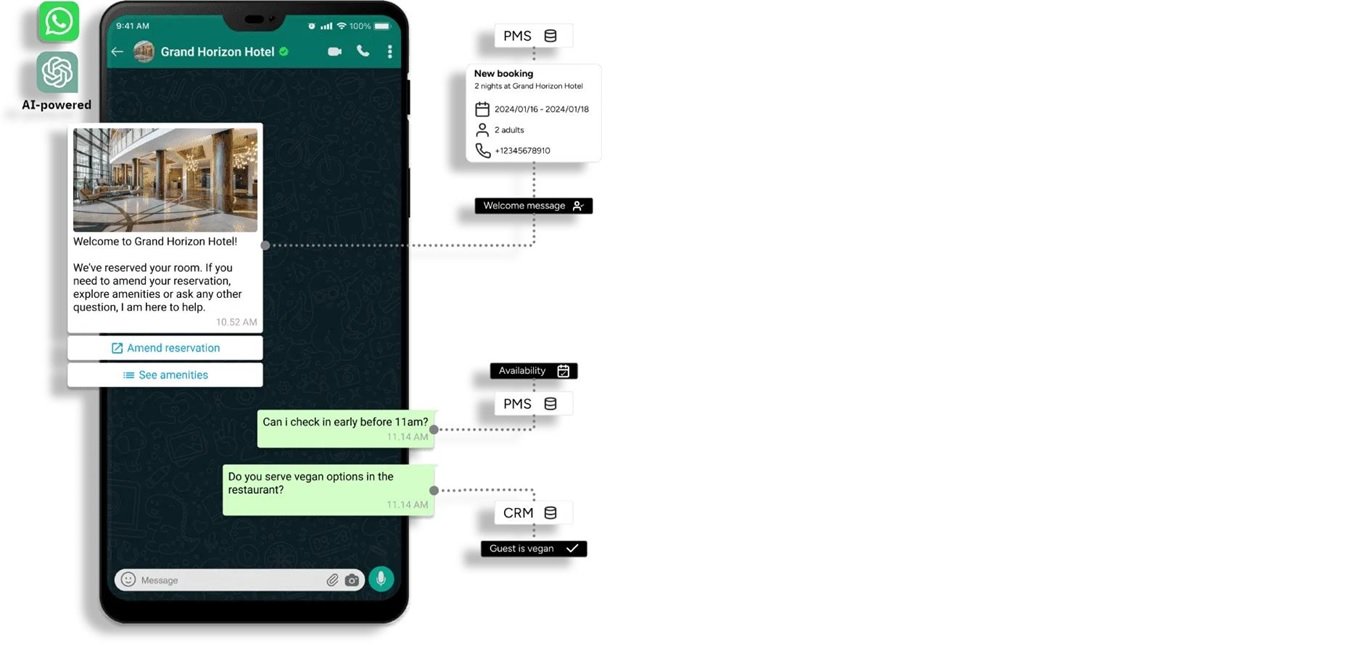
This integration enables real-time actions. When a user requests availability, the chatbot fetches live data. When a user confirms a booking, the system updates records instantly.
Continuous Learning and Optimization
Over time, the chatbot improves by analyzing interactions. It learns from user behavior, identifies common queries, and refines its responses. This continuous improvement ensures that the system becomes more accurate and efficient.
Key Examples of Automotive AI Chatbots in Action
Understanding real-world scenarios helps clarify how AI chatbot for car sales systems operate across the customer journey.
Example 1: Website Lead Engagement
A visitor lands on a dealership website and starts browsing SUVs. After a few seconds, the chatbot initiates a conversation:
“Looking for an SUV? I can help you find the best option based on your budget.”
The user responds with a budget range. The chatbot then:
- Suggests relevant models
- Highlights key features
- Offers a comparison
- Prompts for test drive booking
This interaction converts a passive visitor into an engaged lead.
Example 2: WhatsApp-Based Car Sales Chatbot
A user clicks on a WhatsApp ad for a car model. The automotive chatbot continues the conversation within WhatsApp.
It can:
- Share images and specifications
- Provide pricing details
- Answer questions instantly
- Schedule showroom visits
This creates a seamless experience without requiring the user to switch platforms.
Example 3: Test Drive Booking Automation
A customer expresses interest in a specific car model. The chatbot checks real-time availability and offers booking options.
“Test drive available tomorrow at 11:00 AM or 4:30 PM. Which slot works for you?”
Once the user selects a slot, the chatbot confirms the booking and updates the CRM.
Example 4: Service and Support Chatbot
Existing customers often need support related to servicing, maintenance, or warranties. An AI chatbot for automobile industry applications can handle these queries efficiently.
For example:
- Booking service appointments
- Providing service cost estimates
- Sharing service history
This reduces the load on support teams and improves customer satisfaction.
Core Use Cases of Automotive AI Chatbots
Lead Generation and Qualification
Generating leads is only the first step. Qualifying them effectively is equally important. An AI chatbot for car dealerships can automate this process by asking structured questions.
For example, the chatbot may ask:
- “What is your budget range?”
- “When are you planning to purchase?”
- “Are you considering financing options?”
Based on responses, the chatbot categorizes leads and assigns scores. This allows sales teams to focus on high-intent prospects.
Personalized Vehicle Recommendations
Car buyers often feel overwhelmed by choices. An automotive AI chatbot simplifies decision-making by providing personalized recommendations.
Instead of browsing through multiple pages, users receive tailored suggestions based on their preferences.
Test Drive and Appointment Scheduling
Scheduling test drives manually can be time-consuming. An AI chatbot for car sales automates this process, ensuring quick and accurate bookings.
Pricing and EMI Calculations
Pricing is a critical factor in car buying decisions. A chatbot can provide:
- On-road price estimates
- EMI calculations
- Financing options
This helps users make informed decisions without leaving the conversation.
Customer Support and Retention
After a sale, the chatbot continues to engage customers by providing:
- Service reminders
- Warranty information
- Maintenance tips
This ongoing engagement strengthens customer relationships.
Benefits of Automotive AI Chatbots
Faster Response Times
Customers expect instant responses. An automotive chatbot ensures that every query is answered immediately, reducing delays and improving engagement.
Improved Conversion Rates
By guiding users through the buying journey, the chatbot increases the likelihood of conversion. It eliminates friction and provides timely assistance.
Operational Efficiency
Automating repetitive tasks reduces the workload on sales and support teams. This allows businesses to operate more efficiently.
24/7 Availability
Unlike human teams, chatbots operate around the clock. This ensures that no opportunity is missed.
Data-Driven Insights
Every interaction generates data that can be analyzed to improve strategies and decision-making.
Automotive AI Chatbot vs Traditional CRM
A common question in the industry is how AI chatbot for automobile industry solutions differ from traditional CRM systems.
A CRM system stores and manages customer data, while an automotive chatbot acts as an interface that interacts with customers and feeds data into the CRM.
For example:
- CRM records lead details
- Chatbot captures and qualifies leads in real time
Together, they create a powerful ecosystem that enhances both engagement and data management.
The Evolution Toward AI Agents in Automotive
The industry is moving beyond chatbots toward AI agents for automotive industry applications. These agents are capable of handling end-to-end workflows.
They can:
- Manage entire customer journeys
- Coordinate between systems
- Trigger actions automatically
For example, an AI agent can guide a user from initial inquiry to final purchase, including financing and documentation.