A Patient You’re Losing Right Now
A patient visits your hospital website late at night.
They are searching for help. Maybe it’s a persistent headache. Maybe something more serious.
They land on your “Find a Doctor” page.
They see multiple specialties. Neurology. General Medicine. ENT.
Then they see multiple doctors under each category.
Different names. Different experience levels. No clear guidance.
They pause.
They hesitate.
They leave.
No appointment booked.
This is not a traffic problem. This is a decision-stage drop-off.
The Hidden Drop-Off in Healthcare Funnels
The typical patient journey looks simple:
Symptom → Search → Doctor Selection → Appointment Booking → Visit
But the biggest drop-off happens here:
Doctor Selection → Appointment Booking
This stage is critical because:
- The patient has intent
- They are actively looking for care
- They are close to booking
Yet, most hospitals fail at this exact moment.
Why Patients Drop During Doctor Selection
1. Specialty Confusion
Patients are not medical experts.
They don’t always know whether their problem requires a cardiologist, neurologist, or general physician.
When presented with multiple departments, they feel uncertain.
Uncertainty leads to inaction.
Instead of choosing the wrong doctor, patients choose nothing.
2. Lack of Real-Time Availability
Even if a patient selects a doctor, the next question is immediate:
“When can I get an appointment?”
If availability is not visible:
- Patients assume delays
- They postpone booking
- They look for alternatives
Delay kills intent.
3. No Guided Decision Support
Most hospital websites are static.
They list doctors but don’t guide patients.
There is no system to:
- Understand symptoms
- Recommend the right doctor
- Simplify decision-making
Without guidance, patients feel lost.
4. Slow Response from Hospital Staff
Some patients try to call.
Others fill out forms.
But:
- Calls go unanswered
- Responses are delayed
- Follow-ups are inconsistent
In healthcare, speed builds trust. Delay breaks it.
5. Friction in Appointment Booking
Booking often involves:
- Filling long forms
- Waiting for confirmation
- Manual coordination
For a patient already anxious, this is too much effort.
Friction reduces conversions.
Impact on Hospitals
These gaps are not small problems.
They directly affect business outcomes:
- Lost patients: High-intent users leave without booking
- Lower appointment rates: Funnel leakage increases
- Operational inefficiency: Staff handles repetitive queries
- Revenue loss: Fewer consultations mean lower revenue
You are not losing traffic. You are losing ready-to-book patients.
How AI Chatbots Solve This Problem
An AI chatbot for healthcare acts as a real-time patient assistant.
It guides, informs, and converts patients at the exact moment they need help.
1. Smart Doctor Recommendations
Instead of showing a static list, the chatbot asks simple questions:
- What symptoms are you experiencing?
- How long have you had them?
Based on responses, it:
- Identifies the right specialty
- Recommends suitable doctors
This removes confusion and builds confidence.
2. Real-Time Availability Display
The chatbot shows:
- Available time slots
- Next available appointments
Instant visibility removes uncertainty.
Patients can act immediately.
3. Instant Appointment Booking
Patients can:
- Select a doctor
- Choose a time slot
- Confirm booking instantly
No forms. No waiting. No friction.
4. 24/7 Patient Engagement
The chatbot works round the clock.
Whether it’s midnight or early morning:
- Patients get instant responses
- No query goes unanswered
This ensures no patient is lost due to timing.
5. Personalized Patient Journey
The chatbot remembers:
- Patient preferences
- Previous interactions
It delivers:
- Personalized recommendations
- Relevant follow-ups
This creates a guided, human-like experience.
Real-World Scenario: Before vs After AI
Before AI Chatbot
Patient visits website → sees multiple doctors → gets confused → leaves
Result: No booking
After AI Chatbot
Patient visits website → chatbot asks symptoms → recommends doctor → shows availability → books instantly
Result: Appointment confirmed
How Livserv.ai Helps Healthcare Providers
Livserv.ai is an AI chatbot platform that helps healthcare providers automate patient engagement and appointment booking.
It enables:
- Real-time patient interaction
- Automated appointment scheduling
- Smart doctor recommendations
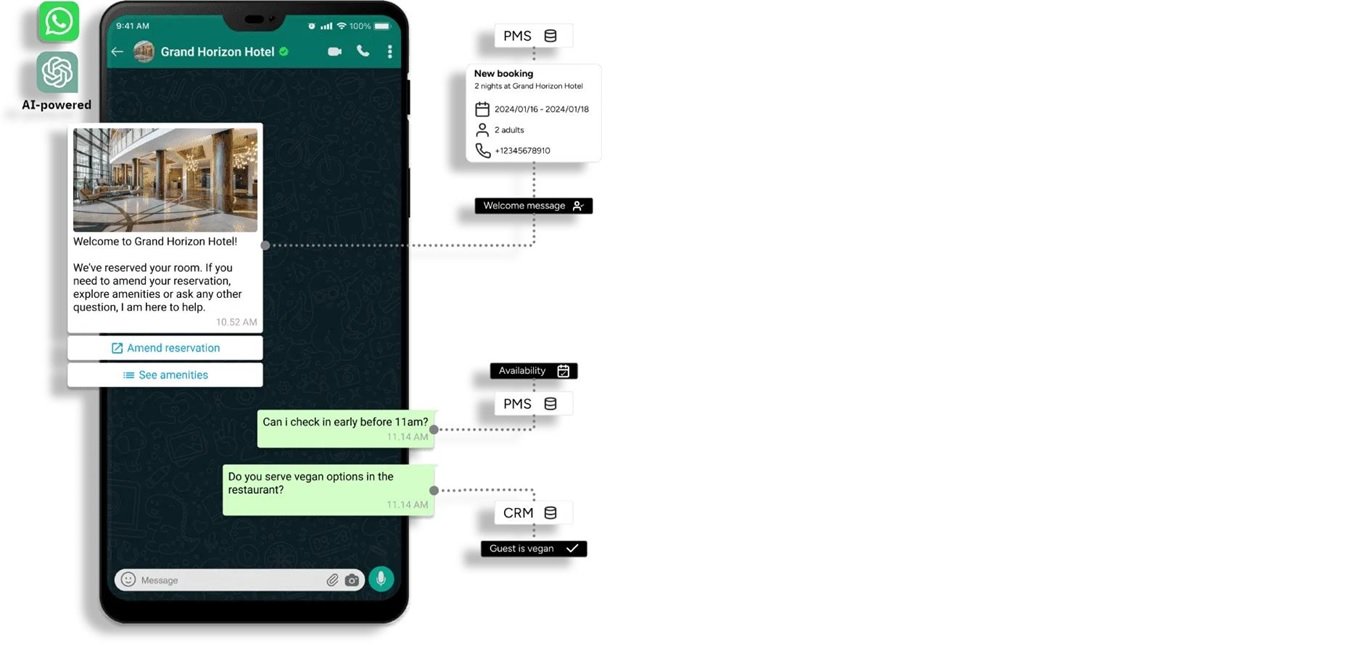
- Integration with website and WhatsApp
It bridges the gap between patient intent and conversion.
Benefits for Hospitals
- Increased appointments: More patients complete booking
- Improved patient experience: Faster, guided journeys
- Reduced workload: Automation handles repetitive queries
- Higher conversion rates: Better funnel efficiency
FAQs
Why do patients drop during doctor selection?
Patients face confusion, lack of guidance, and delayed responses, leading to hesitation and drop-offs.
What is a healthcare chatbot?
A healthcare chatbot is an AI-powered system that helps patients with queries, doctor selection, and appointment booking.
How can hospitals improve appointment booking?
By reducing friction, offering real-time availability, and guiding patients using AI chatbots.
Are AI chatbots safe for healthcare?
Yes, when implemented with proper compliance and data security standards.
Can chatbots replace hospital staff?
No, they assist staff by handling repetitive tasks and improving efficiency.
Do chatbots work on WhatsApp?
Yes, many healthcare chatbots integrate with WhatsApp for better patient engagement.
Conclusion: The Moment That Defines Conversion
Patients don’t drop because they are not interested.
They drop because they are not guided.
The doctor selection stage is where:
- confusion peaks
- decisions slow down
- patients leave
AI chatbots solve this by guiding patients instantly and intelligently.
When you remove confusion and friction, you don’t just improve experience.
You increase appointments, conversions, and revenue.
The question is not whether patients are coming.
The question is whether you are ready to convert them.