The automotive industry has entered a phase where speed, personalization, and availability are no longer competitive advantages—they are baseline expectations. Today’s car buyers don’t wait for showroom visits or business hours. They browse, compare, ask questions, and make decisions across websites, WhatsApp, and social platforms, often within minutes.
This shift has created a massive gap between customer expectations and dealership response capabilities. Traditional processes—manual follow-ups, delayed responses, and fragmented communication—simply cannot keep up.
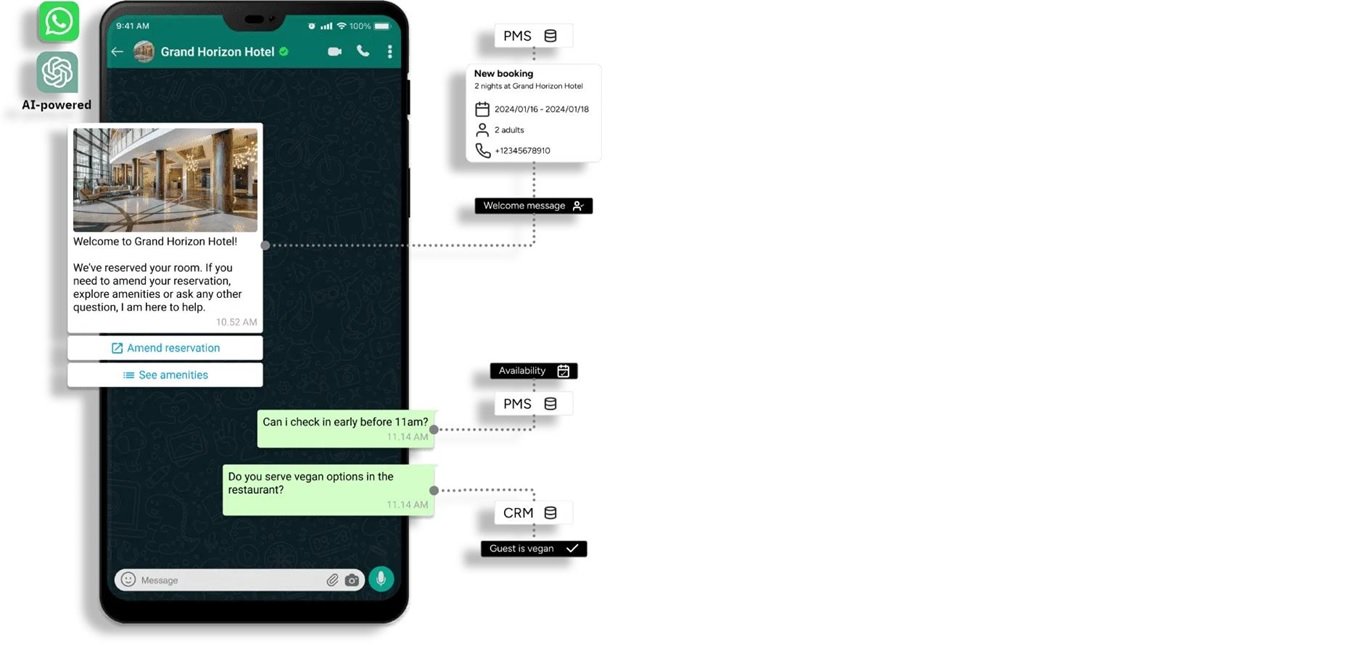
This is exactly where an automotive chatbot or, more precisely, an AI chatbot for the automobile industry, is transforming how dealerships operate. More advanced implementations—often referred to as AI agents for automotive—go beyond simple question-answering and actively participate in sales, support, and engagement workflows.
For platforms like Livserv.ai, this is not just about automation. It’s about enabling dealerships to create always-on, intelligent, revenue-generating conversations that move prospects from curiosity to conversion.
This article explores the top 10 automotive chatbot use cases that every dealership must understand and implement to stay competitive in 2026 and beyond.
1. AI-Powered Lead Qualification for Car Sales
One of the biggest inefficiencies in dealerships is handling unqualified or low-intent leads. Sales teams often spend hours calling prospects who are either casually browsing or not ready to purchase.
An automotive chatbot changes this dynamic by acting as the first layer of intelligent filtering.
Instead of collecting just basic contact details, the chatbot engages users in a structured conversation:
- What type of car are you looking for?
- Budget range?
- Preferred fuel type?
- Timeline to purchase?
Based on responses, the system can classify leads into:
- Hot (ready to buy soon)
- Warm (research phase)
- Cold (early exploration)
Example:
A visitor lands on a dealership website at 11:30 PM and starts browsing SUVs. The chatbot initiates a conversation and identifies that the user is planning to buy within 30 days with a budget of ₹12–15 lakhs. Instead of waiting until the next day, the chatbot instantly marks this as a high-intent lead and schedules a callback or test drive.
This use case alone can significantly improve:
- Sales team efficiency
- Conversion rates
- Response speed
For dealerships implementing an AI chatbot for car sales, this becomes the foundation of a more predictable pipeline.
2. 24/7 Lead Capture Across Website and WhatsApp
Car buyers don’t follow business hours. A large percentage of automotive queries happen during evenings, late nights, and weekends.
Without an automated system, these leads are either:
- Lost
- Delayed
- Poorly handled
An AI chatbot for the automobile industry ensures that every visitor is engaged instantly, regardless of when they arrive.
The chatbot can:
- Greet users
- Capture contact details
- Understand intent
- Offer relevant next steps
Example:
A user clicks on a Facebook ad at midnight and lands on your website. Instead of seeing a static form, they interact with a chatbot that asks what model they are interested in and offers to share pricing details instantly via WhatsApp.
This creates a seamless experience and ensures that:
- No lead is missed
- Engagement starts immediately
- The user stays within your ecosystem
For dealerships using AI agents for automotive, this goes a step further, where conversations continue across channels like WhatsApp, SMS, and email without disruption.
3. Automated Test Drive Booking
Test drives are one of the most critical conversion points in the automotive sales funnel. However, booking them often involves:
- Back-and-forth calls
- Manual scheduling
- Coordination delays
An automotive chatbot simplifies this entire process by enabling instant booking.
The chatbot can:
- Show available time slots
- Capture preferred location
- Confirm booking instantly
- Send reminders
Example:
A customer browsing a sedan model clicks on “Book Test Drive.” Instead of filling out a form and waiting for a callback, the chatbot asks for preferred date, time, and location, and confirms the booking within seconds.
This reduces friction and increases the likelihood of:
- Higher test drive bookings
- Faster conversions
- Better customer experience
When powered by advanced AI chatbot for car sales systems, these bookings can also sync with CRM and dealership calendars automatically.
4. Personalized Car Recommendations Based on User Preferences
Modern buyers expect personalization similar to what they experience on platforms like e-commerce or streaming services.
An AI chatbot for the automobile industry can act as a digital sales advisor by recommending vehicles based on user input.
Instead of overwhelming users with multiple options, the chatbot narrows down choices using:
- Budget
- Usage (city, highway, family)
- Fuel preference
- Brand interest
Example:
A user says they need a car for daily city commute with occasional long drives and a budget under ₹10 lakhs. The chatbot suggests 2–3 models that match these criteria and explains why they are suitable.
This approach:
- Reduces decision fatigue
- Builds trust
- Increases engagement time
For dealerships, this means guiding customers more effectively without requiring a human sales rep at every step.
5. Instant Price, EMI, and Financing Assistance
Pricing transparency plays a huge role in automotive decision-making. Customers often leave websites because they cannot easily find:
- On-road prices
- EMI breakdowns
- Financing options
An automotive chatbot can provide this information instantly.
The chatbot can:
- Share model-wise pricing
- Calculate EMI based on down payment and tenure
- Offer finance partner details
Example:
A user asks, “What is the EMI for this SUV?” The chatbot asks for a few inputs like down payment and tenure, then instantly provides a monthly EMI estimate along with financing options.
This eliminates friction and keeps the user engaged within the dealership’s ecosystem.
For an AI chatbot for car sales, this feature directly impacts conversion by addressing one of the biggest buyer concerns—affordability.
6. Handling FAQs and Reducing Support Load
Dealerships receive a high volume of repetitive queries:
- Mileage
- Features
- Service intervals
- Warranty details
Handling these manually consumes valuable time and resources.
An AI chatbot for the automobile industry can instantly respond to these frequently asked questions with high accuracy.
Example:
A user asks about the mileage of a particular car model. Instead of waiting for a response, the chatbot instantly provides accurate information along with additional context such as driving conditions.
This leads to:
- Reduced support workload
- Faster response times
- Improved customer satisfaction
When implemented correctly, this use case can significantly reduce dependency on human support teams for basic queries.
7. Automated Follow-Ups and Lead Nurturing
A large percentage of automotive leads do not convert immediately. They require:
- Multiple touchpoints
- Reminders
- Information sharing
An AI agent for automotive can automate this entire nurturing process.
The system can:
- Send follow-up messages
- Share brochures and offers
- Remind users about test drives
- Re-engage inactive leads
Example:
A user showed interest in a hatchback but did not book a test drive. After two days, the chatbot sends a WhatsApp message with a limited-time offer and a quick booking link.
This ensures continuous engagement without manual effort.
For dealerships, this translates to:
- Higher conversion rates
- Better lead utilization
- Consistent communication
8. Service Booking and After-Sales Engagement
The relationship with the customer doesn’t end after the sale. In fact, after-sales service is a major revenue stream for dealerships.
An automotive chatbot can handle:
- Service bookings
- Maintenance reminders
- Complaint registration
Example:
A customer receives a WhatsApp reminder that their vehicle is due for servicing. They click on the link and the chatbot helps them book a service appointment within seconds.
This improves:
- Service retention
- Customer satisfaction
- Operational efficiency
An AI chatbot for the automobile industry ensures that after-sales engagement becomes proactive rather than reactive.
9. Omnichannel Engagement Across Platforms
Customers interact with dealerships across multiple channels:
- Website
Managing these channels separately leads to fragmented communication.
An AI chatbot for car sales can unify these interactions into a single conversational flow.
Example:
A user starts a conversation on Instagram, continues on WhatsApp, and later visits the website. The chatbot remembers previous interactions and continues the conversation seamlessly.
This creates a consistent experience and ensures that:
- Context is not lost
- Conversations are continuous
- Engagement is personalized
For dealerships adopting AI agents for automotive, this omnichannel capability becomes a critical differentiator.
10. Recovering Lost Leads and Re-Engaging Visitors
Not every visitor converts on the first visit. Many leave without taking any action.
An automotive chatbot can identify and re-engage these users.
The system can:
- Trigger exit-intent messages
- Offer incentives
- Capture contact details before users leave
Example:
A user is about to exit the website after browsing multiple car models. The chatbot offers a limited-time discount or invites them to book a test drive with a small incentive.
Additionally, for users who have already interacted, the chatbot can send follow-up messages to bring them back.
This use case helps:
- Recover lost opportunities
- Increase conversion rates
- Maximize marketing ROI
The Shift from Chatbots to AI Agents in Automotive
While traditional chatbots focus on answering queries, modern AI agents for automotive are designed to:
- Understand intent
- Take actions
- Manage end-to-end workflows
Platforms like Livserv.ai are enabling dealerships to move beyond static automation into intelligent, adaptive conversational systems that actively drive sales and engagement.
These systems are not just tools—they function as:
- Digital sales assistants
- Customer support executives
- Engagement engines
Why These Use Cases Matter for Dealership Growth
Each of these automotive chatbot use cases addresses a specific gap in the dealership funnel:
- Lead capture
- Qualification
- Engagement
- Conversion
- Retention
When combined, they create a fully connected, automated, and intelligent customer journey.
Dealerships that adopt these capabilities are able to:
- Respond faster
- Engage better
- Convert more
- Operate efficiently
Final Thoughts
The automotive industry is rapidly evolving, and customer expectations are rising just as quickly. Dealerships that rely solely on traditional processes will find it increasingly difficult to compete.
Implementing an automotive chatbot, especially one powered by advanced AI chatbot for automobile industry capabilities, is no longer optional. It is a strategic move toward building a more responsive, scalable, and customer-centric business.
From lead qualification to after-sales engagement, the use cases discussed above highlight how conversational AI is reshaping the entire automotive customer journey.
As AI agents for automotive continue to evolve, the dealerships that adopt them early will not only improve efficiency but also gain a significant edge in delivering seamless, personalized, and high-converting customer experiences.